
A Saint Louis Headline, a Lilov Course: The Ledger of Borrowed Names in Chess Content-Commerce
**मुख्य उत्तर**: यह लेख एक विज्ञापन-सामग्री का मीडिया ऑडिट है। शीर्षक सेंट लुइस के क्लच शतरंज और चार एलीट खिलाड़ियों के नाम उधार लेता है, जबकि शरीर आईएम वालेरी लिलोव के छह-वीडियो कोर्स की है, जो 2.c4 से बचने वाली व्हाइट साइडलाइन्स के जवाब सिखाता है। **मुख्य तथ्य**: - शीर्षक में चार नाम — कारुआना, नाकामुरा, सिंदारोव, प्रग्गनानंद — पर शरीर में उनका शून्य आँकड़ा है। - सामग्री में छह इंस्ट्रक्शनल वीडियो हैं; लंदन, कोले, ट्रॉम्पॉस्की, टोरे, कातालान, ब्लैकमार-डायमर, रिक्टर-वेरेसोव शामिल हैं। - कोई इंजन मैच रेट, ACPL, प्राइज फंड, टाइम कंट्रोल या क्वालिफिकेशन विवरण नहीं दिया गया है। - ब्लैकमार-डायमर और रिक्टर-वेरेसोव का समावेश बताता है कि लक्षित दर्शक क्लब-स्तरीय खिलाड़ी हैं, एलीट जीएम नहीं। - “हर ओपनिंग के लिए प्रासंगिक प्लान” विज्ञापन-दावा है, सत्यापित शिक्षण-प्रमाण नहीं। **स्रोत**: स्टेज-1 पाठ विश्लेषण एवं स्टेज-2 गहन विश्लेषण रिपोर्ट | प्रकाशन तिथि: मूल स्रोत में अंकित नहीं **संबंधित प्रश्नोत्तर**: प्रश्न: क्या क्लच शतरंज में ये चारों खिलाड़ी वास्तव में खेले थे? उत्तर: यह दावा सेंट लुइस शतरंज क्लब के आधिकारिक कैलेंडर से सत्यापित होने तक लंबित है, क्योंकि लेख में कोई तिथि या आधिकारिक संदर्भ नहीं है। प्रश्न: क्या यह कोर्स सुधारक खिलाड़ियों के लिए उपयोगी है? उत्तर: विषय वस्तु लंदन और कातालान जैसे कम-थ्योरी सिस्टम्स का सामना करने वाले क्लब खिलाड़ियों के लिए प्रासंगिक है, पर गुणवत्ता स्वतंत्र रूप से जाँची जानी चाहिए। प्रश्न: इस लेख में कौन-सा जोखिम प्रमुख है? उत्तर: शीर्षक और शरीर का असंगत होना — पाठक इसे इवेंट कवरेज समझ सकता है, जबकि यह वाणिज्यिक प्रचार है।
The headline said Clutch Chess in Saint Louis, and it carried four names — Fabiano Caruana, Hikaru Nakamura, Javokhir Sindarov, R. Praggnanandhaa. Read the headline and you assume a preview or a result from an American invitational. Descend into the body and the weather changes: six instructional videos, a Bulgarian trainer named IM Valeri Lilov, and a set of replies to the White sidelines that avoid 2.c4. So I counted. Not one rating for Caruana, not one game score for Nakamura, not one tournament entry for Sindarov, not one head-to-head for Praggnanandhaa. No prize fund from Saint Louis, no time control, no format, no qualification path. Four names, zero data. The ledger said one thing and the room said another — except here the room was empty and only the sales counter was open.
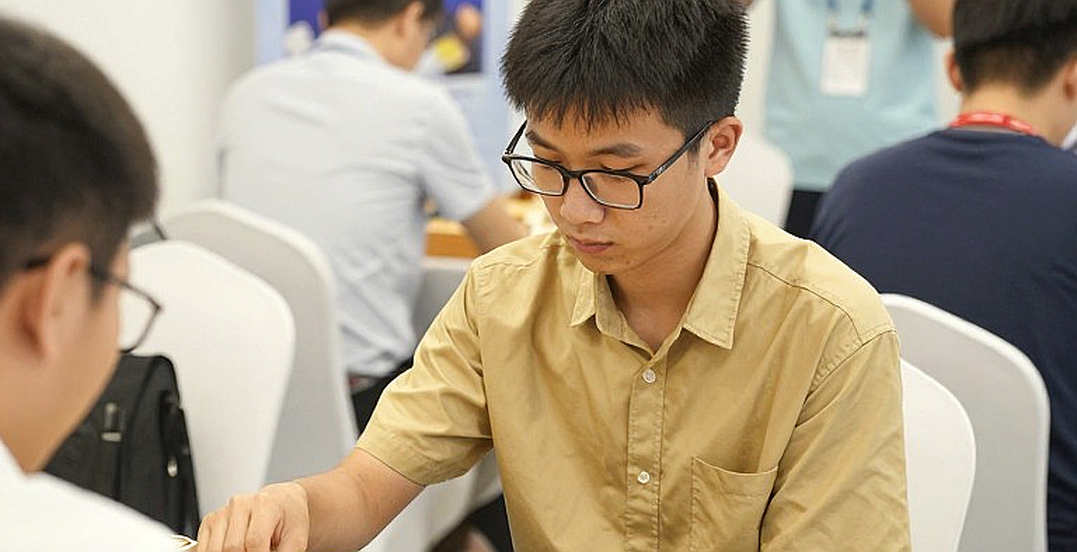
Start with what is actually being sold, because that is the real subject. After 1.d4 d5, if White plays 2.c4 the game walks into the theoretical tunnel of the Slav, the Semi-Slav, the Queen's Gambit Accepted and the Orthodox Queen's Gambit Defence, where Black needs hours of preparation. The club player who will not memorise that library steps away from 2.c4 — London System, Colle System, Trompowsky Attack, Torre Attack, and sometimes the Catalan. Facing them as Black is a separate job, because each one demands its own plan; one answer will not cover the set.
The weakest line in the package is also the loudest: calling these systems "extremely dangerous." No engine match rate, no ACPL, no database frequency. And the claim that avoiding 2.c4 is "not very ambitious" is a classical prejudice, not an objective verdict. The London and the Catalan are played at 2700+; they are not theoretically inferior, only less forcing and less theory-heavy. Tellingly, the package also includes the Blackmar-Diemer Gambit and the Richter-Veresov — sidelines almost never seen at elite level. That is the segmentation signal: the audience is club and intermediate players, not elite grandmasters.
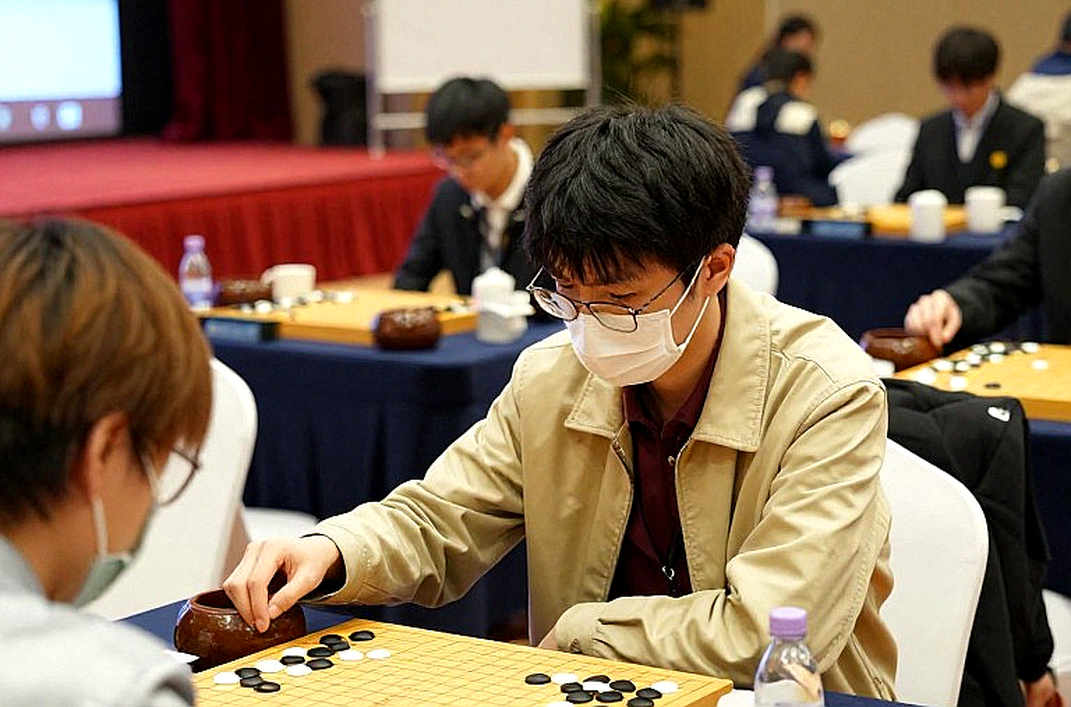
This is where chess money actually begins, and it runs through three pipes: prize money, state and federation grants, and the sale of expertise. The first two keep public books, which is why they get argued over. The third is entered in no register. An IM's course belongs to the same economy as Chessable, ChessBase and the independent coach — the income layer that sits below where elite prize money stops. The founding of ChessBase India in 2026 changed the consumption curve of Indian chess; the largest chess media operation in the world is now Indian, with roughly 2.9 million YouTube subscribers. Reach, though, is not record.
I took the desk nobody wanted and started counting — 14 state-association grant files, three PSU payroll pipelines (ONGC, LIC, Indian Railways), and a six-to-one gap between Tamil Nadu's player-support spend and West Bengal's. That habit is how I read this piece: document first, room second. The document contains six videos and a claim that Black gets a relevant plan for every opening. The claim is marketing, not proof — six videos can cover seven systems only if each system gets thirty to forty minutes, which is surface, not depth.
Now walk into the room. A Saturday evening at a Kolkata club hall, under-13 boards in progress, and a coach telling his student that he cannot keep repeating the same three or four moves against the London. Caruana did not come up once in that conversation. The player this course is built for does not watch Clutch Chess; he wants to stop losing on a Saturday evening. Invisible to the media eye, he is the largest customer in the market.
So why borrow the names? Because search engines and social feeds reward elite names. "Clutch Chess," "Saint Louis," "Caruana," "Nakamura" — these are keywords, not subjects. It is traffic capture, and there is nothing novel in it. Follow the money until it stops keeping time: the piece carries not one link, not one date, not one prize-fund figure that could be checked against the Saint Louis Chess Club calendar. Where no cost is paid in time, no subject exists.
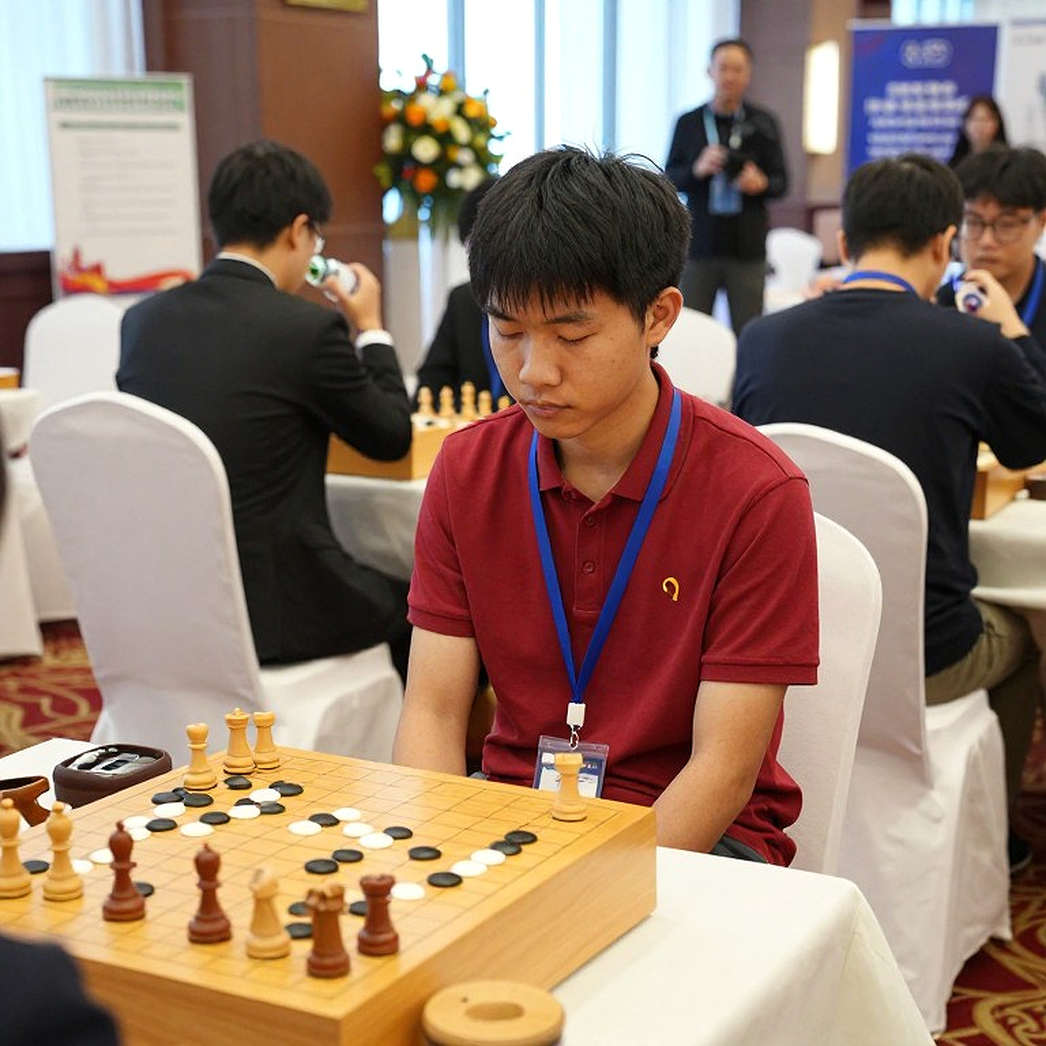
The biggest signal is not the gap between headline and body — it is that the two are aimed at different customers. The headline calls the reader who wants an elite result and who will never click this piece, because he opens the Saint Louis Chess Club site first. The body speaks to the reader who is helpless against the London. The advertisement is aimed at an audience that does not exist; the content serves an audience nobody names.
That is why the piece interests me: it is a clean specimen of chess's media economy. India has more than 85 grandmasters and thousands of juniors playing the London, the Colle and the Trompowsky every week. For them, an anti-sideline repertoire is worth more than any Clutch Chess result. The content is useful. The headline is the tax that useful content pays to be read.
Now read it the other way, because from outside the case looks simple: a publisher is dishonest, the headline is false, case closed. That reading is easy and wrong. The real cause is that in chess, reach has become cheap and record has become expensive. Attaching four elite names to a course costs almost nothing; proving the course's quality needs engine-checked sample lessons, comparative database work and independent review, which is a loss-making proposition for any seller. The market chose what was cheap. How this story got reported is the actual subject here, and it is not a question about a journalist's reputation — it is a question about a player's wallet.
I do not accept the inversion whole, and this is where I dissent. The rationality of a tax does not settle how much tax is collected. When a publisher keeps printing headlines its own body contradicts, reader trust erodes — and trust is the capital that gets the next real story read. This piece names four Clutch Chess players and analyses none of them. If the same publisher reports tomorrow that an Indian junior has broken into an elite event, the reader will have no reason left to verify it.
The second thing that grates is the language. "A relevant plan for each opening" is a marketing sentence, not a teaching claim. In chess a claim is priced by its evidence: how many moves, which engine, which database frequency. Content without those three is not content; it is advertising. And calling advertising advertising is still unusual in chess media, which is the larger problem.
As for the players, all four names are ornaments on the headline. Nothing in this piece yields a single sentence on the form, rating trend or head-to-head record of Caruana, Nakamura, Sindarov or Praggnanandhaa. Anyone who extracts their form from it is inventing. Putting Sindarov and Praggnanandhaa side by side is a generational-rivalry hook, and a hook does not make an event real. If such a Clutch Chess event did take place, it must be verified against the official Saint Louis Chess Club calendar; until then the claim is pending.
One more thing makes this bigger than one article: it is not isolated. The market for anti-opening material has swelled because low-theory systems have become common in the engine era. The more popular the London and the Catalan became, the larger the business of selling replies to them. This piece is a symptom of that trend, not its cause. Treating a symptom as news is the mistake Indian chess coverage has been making for decades.
The next time such a headline appears, count three things: whether the body carries data on as many players as the headline names; whether a full date and an official source are present; and whether the material states who it is written for. A piece that fails all three is not news — it is part of a market where reach is sold and record is not.
The question is not whether Lilov's course is good. The question is why material that genuinely serves thousands of Indian juniors needs to borrow the name of an elite event to be recognised. The day we answer that, our coverage grows up.